Most buildings only start thinking about the garbage chute when something goes wrong — a smell that won’t go away, a complaint from residents, or pests showing up where they shouldn’t.
But the issue usually starts much earlier.
Waste doesn’t just fall straight through the chute and disappear. It leaves a trace — food residue, liquids, grease — and over time that builds into a layer that sticks to the inside of the shaft, the intake doors, and the compactor area below. You don’t see it, but it’s there, and it keeps developing every day the chute is used.
That’s why a building can look clean on the surface and still have ongoing odour or sanitation problems. The source isn’t in the hallway. It’s inside the system.
Key Takeaways
- Emptying bins doesn’t remove what’s already stuck inside the chute
- Odours often come from residue buildup, not from current waste
- Moisture + food waste = ideal conditions for bacteria and pests
- Chute rooms and compactor areas are often the real problem zones
- Smells that “keep coming back” usually point to internal buildup
- Waiting until complaints start usually means the problem is already advanced
- Regular cleaning works best when it’s planned, not reactive
What Actually Builds Up Inside a Garbage Chute
If you open a chute after months of use, it’s not just “dirty.” It’s layered.
| Inside the System | What Happens Over Time |
|---|---|
| Food particles | Stick to walls, especially near intake doors |
| Liquids | Run down the shaft, collect at the bottom, soak into surfaces |
| Grease | Forms a film that traps more debris |
| Bacteria | Multiply in warm, damp conditions |
| Biofilm | Develops into a sticky layer that’s hard to remove |
| Residue around compactor | Builds up faster than most expect |
What’s important is that none of this clears on its own. Even if waste is removed daily, the inside of the system keeps accumulating material.
Why Smells Travel Through the Building So Easily
A common assumption is that the smell comes from the garbage room.
Sometimes it does. But more often, it’s coming from the chute itself.
Every time someone opens a chute door, there’s a small exchange of air. If the inside of the chute is contaminated, that air carries odour into the corridor. Multiply that across floors, throughout the day, and the smell spreads.
In taller buildings, airflow can pull odours upward or downward depending on pressure differences. That’s why residents on different floors can report the same issue at the same time.
Air fresheners and hallway cleaning don’t solve this. They just cover it temporarily.
Why Dirty Chutes Lead to Pest Problems
It doesn’t take much to attract pests — just a consistent food source and a place to stay.
Inside a chute, both are available.
Food residue and moisture create a stable environment where insects and rodents can feed. Flies are often the first sign. Cockroaches tend to follow if conditions remain unchanged. Rodents may be drawn to the compactor area or any accessible gaps.
Once they appear, they rarely stay confined to the chute.
Signs tend to be subtle at first:
- small insects near chute doors
- recurring sightings in garbage rooms
- staining or damp patches around openings
By the time it becomes obvious, the problem has usually been developing for a while.
The Part That’s Usually Overlooked: Air and Contamination
There’s another layer to this that isn’t always discussed.
It’s not just about smell or pests — it’s about what’s moving through the air.
When residue builds up, small particles and odour compounds can circulate when air moves through the chute or when doors are opened. In buildings with shared ventilation or poor airflow control, this can affect how clean nearby spaces feel, even if they’re regularly maintained.
It’s one of the reasons why a hallway can look fine but still feel “off.”
How Often Should a Garbage Chute Be Cleaned?
There isn’t a single answer that works for every building.
A smaller building with limited use will have very different needs compared to a high-density property with constant waste flow. The type of waste matters too — buildings where food waste is a large portion will see faster buildup.
What tends to work in practice:
- buildings with steady usage move to a routine schedule
- buildings with recurring complaints adjust frequency based on patterns
- reactive, once-a-year cleaning rarely solves ongoing issues
The key is consistency. Waiting until there’s a problem usually means the buildup is already significant.
What Proper Cleaning Actually Involves
A quick rinse or surface-level cleaning doesn’t change much.
A proper service looks at the entire system:
- the chute shaft from top to bottom
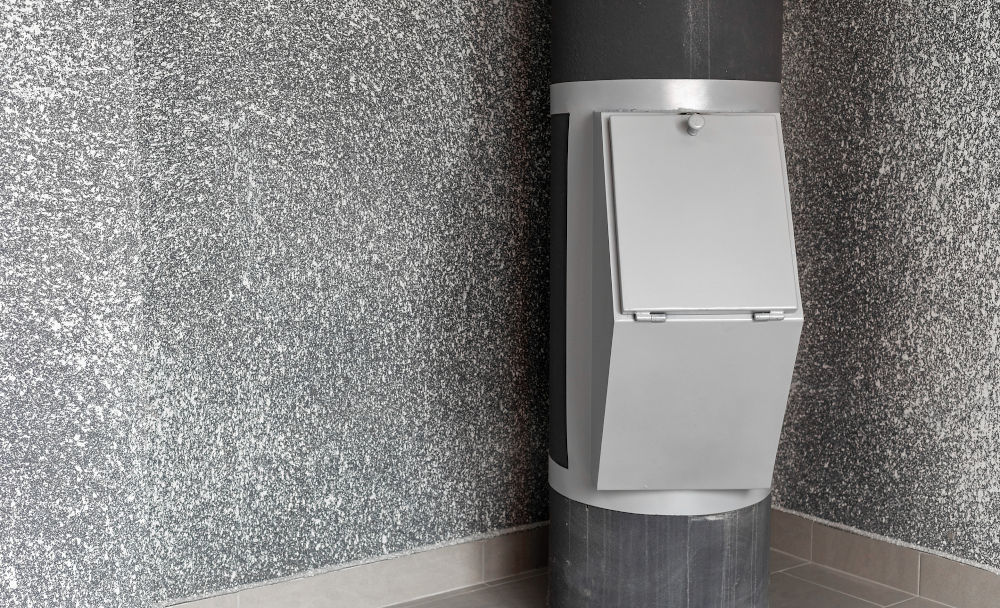
- intake doors on each floor
- chute room and surrounding surfaces
- compactor and waste handling areas
It also involves removing residue — not just wetting it — and addressing areas where buildup is heaviest.
Pressure Kleen typically approaches chute cleaning this way: as a system, not a single component. That means looking at where problems start, not just where they show up.
For property managers, that difference tends to show in how long the results last.
FAQs
Why is garbage chute cleaning important in condo buildings?
Because what happens inside the chute doesn’t stay inside the chute. Over time, waste leaves behind residue that builds up on internal surfaces. That buildup becomes a source of odour, bacteria, and pest activity. In a shared building, those effects spread — into hallways, common areas, and sometimes even units. Cleaning helps remove what daily waste disposal doesn’t address.
What causes garbage chute odours even after bins are emptied?
The smell usually isn’t coming from the current waste. It’s coming from what’s already stuck inside the system. Residue on the chute walls, moisture at the base, and buildup around the compactor continue to break down and release odour. Even if bins are cleared regularly, those layers remain until they’re properly cleaned.
How often should garbage chutes be professionally cleaned in multi-unit buildings?
It depends on how the building is used. A property with heavy daily use will need more frequent cleaning than a smaller building with limited waste. If odours or complaints are already happening, the current schedule likely isn’t enough. In practice, buildings that switch to a consistent, planned routine tend to see fewer recurring issues.
Can dirty waste chutes attract cockroaches, flies, or rodents?
Yes. The conditions inside a dirty chute are ideal for pests — food, moisture, and shelter. Flies are often the first sign, followed by cockroaches if the environment remains undisturbed. Rodents may be drawn to the lower sections where waste collects. Once they establish themselves, they don’t stay confined to the chute system.
What areas should be cleaned besides the chute itself?
The chute is only part of the system. Intake doors, chute rooms, and compactor areas all collect residue and often contribute more to odour than the shaft itself. If those areas aren’t cleaned, problems tend to return quickly, even if the chute has been serviced.
Do garbage chute cleaning services help reduce tenant complaints?
They can — but mainly when the cleaning addresses the root of the issue. Most complaints are tied to odour or hygiene concerns that originate inside the chute. When that buildup is removed properly, complaints usually decrease. Surface cleaning in hallways doesn’t have the same effect.
Is garbage chute cleaning different for condos vs apartment buildings?
The process is similar, but usage patterns vary. Condos may have less frequent but inconsistent use, while apartment buildings often have steady daily volume. These differences affect how quickly buildup forms and how often cleaning is needed. The approach is adjusted based on that, not just the building type.
What should I expect from a professional garbage chute cleaning service?
You should expect the full system to be addressed — not just visible areas. That includes the chute itself, intake doors, and waste handling spaces. A proper service should also make it clear what was done and highlight any areas that may need attention going forward. If it’s unclear what was cleaned, it’s worth asking.
If the same odour keeps coming back, or complaints don’t go away after basic cleaning, it’s usually not a coincidence. It’s a sign that the problem sits deeper in the system than what’s visible.