Bottom Line Up Front: Why Grease in Exhaust Systems Becomes a Fire Hazard
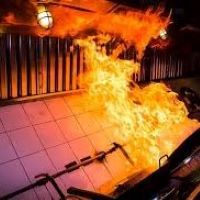
Grease buildup inside commercial kitchen exhaust systems is one of the leading causes of preventable kitchen fires in restaurants across Ontario and Canada. Over time, vapourized cooking oils condense inside hoods, ducts, and rooftop fans, forming a combustible layer that can ignite and spread rapidly. When this accumulation is not professionally removed, it increases the likelihood of failed inspections, insurance complications, operational downtime, and serious fire damage. Understanding how grease accumulates – and how to manage it – is essential for protecting your facility and reducing liability.
Key Takeaways
- Grease is combustible fuel that accumulates throughout the entire exhaust pathway.
- Fires spread quickly through ductwork once ignition occurs.
- Cleaning filters alone does not address contamination in ducts or rooftop fans.
- Rooftop exhaust fans often carry heavy buildup that accelerates flame spread.
- Inspections focus on accumulation beyond visible surfaces.
- Professional commercial kitchen exhaust cleaning reduces risk and liability exposure.
- A documented cleaning schedule protects both operations and insurance standing.
What’s the Difference Between Daily Hood Wipe-Downs vs Full Exhaust System Cleaning?
| Criteria | Daily Hood Wipe-Down | Full Exhaust System Cleaning |
| Area Covered | Visible hood surfaces and filters | Hood interior, filters, duct runs, elbows, fan, discharge |
| Fire Risk Impact | Minimal reduction | Significant risk reduction |
| Inspection Readiness | Not sufficient for compliance | Supports compliance documentation |
| Frequency | Daily or weekly | Based on cooking volume (monthly to semi-annually) |
| Who Performs | Kitchen staff | Trained professionals |
| Documentation | Rarely documented | Detailed service reports provided |
| Insurance Support | No formal proof | Documentation for AHJ and insurers |
| Warning Signs Addressed | Surface grease only | Hidden accumulation and airflow restrictions |
Routine wipe-downs are important for hygiene, but they do not replace professional restaurant hood cleaning that addresses the entire exhaust system.
How to Assess Your Kitchen Exhaust Fire Risk: A Practical Checklist
Facility managers and operators can monitor early warning signs before risk escalates:
- Visible grease at hood seams or behind baffles
- Sticky residue on duct access panels
- Drip marks on exterior ductwork
- Lingering smoke during service
- Reduced airflow or excessive heat buildup
- Unusual fan vibration or noise from grease imbalance
- Missing documentation from the last service
- High-volume cooking methods such as frying, charbroiling, or wok use
These indicators often appear before inspections flag deficiencies. In Ontario’s high-volume restaurant environments, heavy cooking accelerates accumulation faster than many operators anticipate.
How Grease Buildup Leads to Fires: What Happens Inside the Hood, Ductwork, and Fan
Where Grease Accumulates
Grease does not stay in one location. It travels with rising vapours and deposits along:
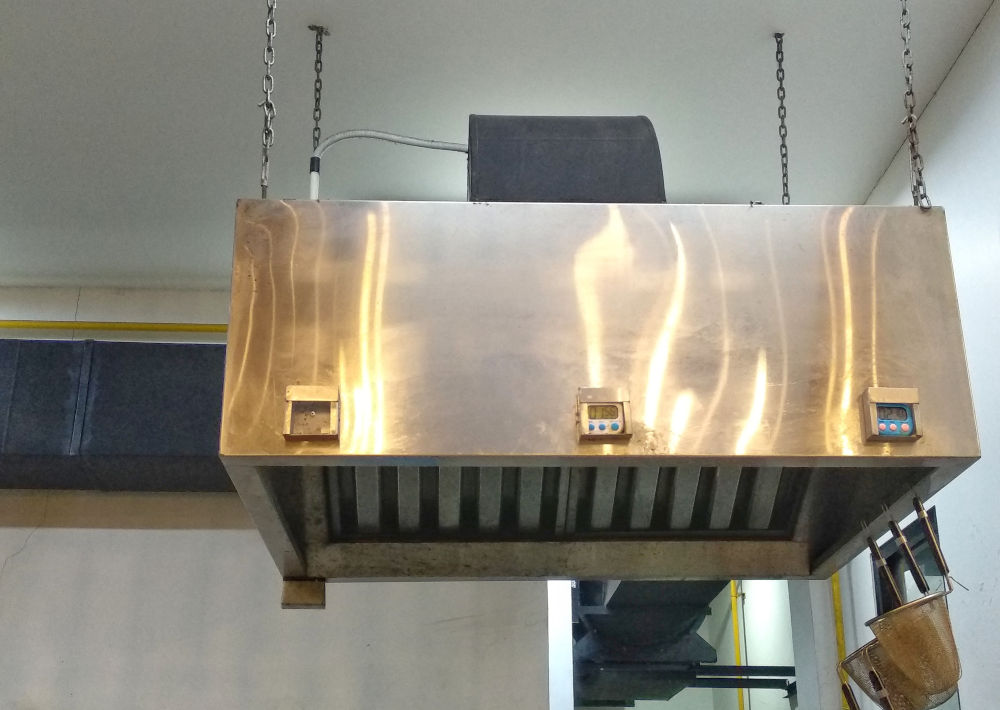
- Hood plenums
- Filter channels
- Horizontal and vertical duct runs
- Elbows and transition points
- Rooftop exhaust fans and discharge areas
Hidden duct sections and rooftop fans often contain the heaviest buildup.
Ignition Sources
Common ignition triggers include:
- Open flames
- Flare-ups from cooking equipment
- Overheated appliances
- Electrical malfunctions
- Spark transfer through airflow
Once flames enter the duct system, the accumulated grease acts as fuel.
Fire Spread Mechanism
Ductwork functions like a pathway. Airflow pulls flames upward, allowing fire to travel beyond the cooking line. Grease film along duct surfaces ignites progressively, while rooftop fans can intensify spread by drawing flames higher into the system. This chimney-like effect explains why fires escalate rapidly once inside ventilation infrastructure.
Why It Escalates Quickly
Accumulation is often hidden from daily view. Combined with strong airflow and oxygen supply, even a localized flare-up can transform into a structure-level fire within minutes.
This is why kitchen exhaust fire risk increases significantly when cleaning is postponed.
What to Look For When Hiring a Kitchen Exhaust Cleaning Company
Not all providers deliver comprehensive service. When evaluating commercial kitchen exhaust cleaning providers, confirm:
- Full system scope (hood, ducts, and fan – not just filters)
- Before-and-after photo documentation
- Detailed service reports
- Cleaning schedule aligned with cooking volume
- Proper safety containment to protect kitchen equipment
- Compliance readiness for inspections
- Insurance coverage and liability protection
A professional provider focuses on risk reduction and documentation – not cosmetic cleaning.
Red Flags That Increase Fire Risk
Operators sometimes underestimate the impact of shortcuts. Watch for:
- Cleaning limited to visible hood areas only
- No access panels installed in ductwork
- No rooftop fan service
- Missing documentation
- “One-time cleaning” without maintenance schedule
- Waiting until inspection notices arrive
- Use of harsh degreasers that damage surfaces
These practices create a false sense of safety while leaving hidden accumulation untouched.
How Pressure Kleen Helps Reduce Exhaust Fire Risk for Commercial Kitchens
Pressure Kleen specializes in high-risk commercial environments across Ontario. The approach focuses on:
- Thorough system assessment
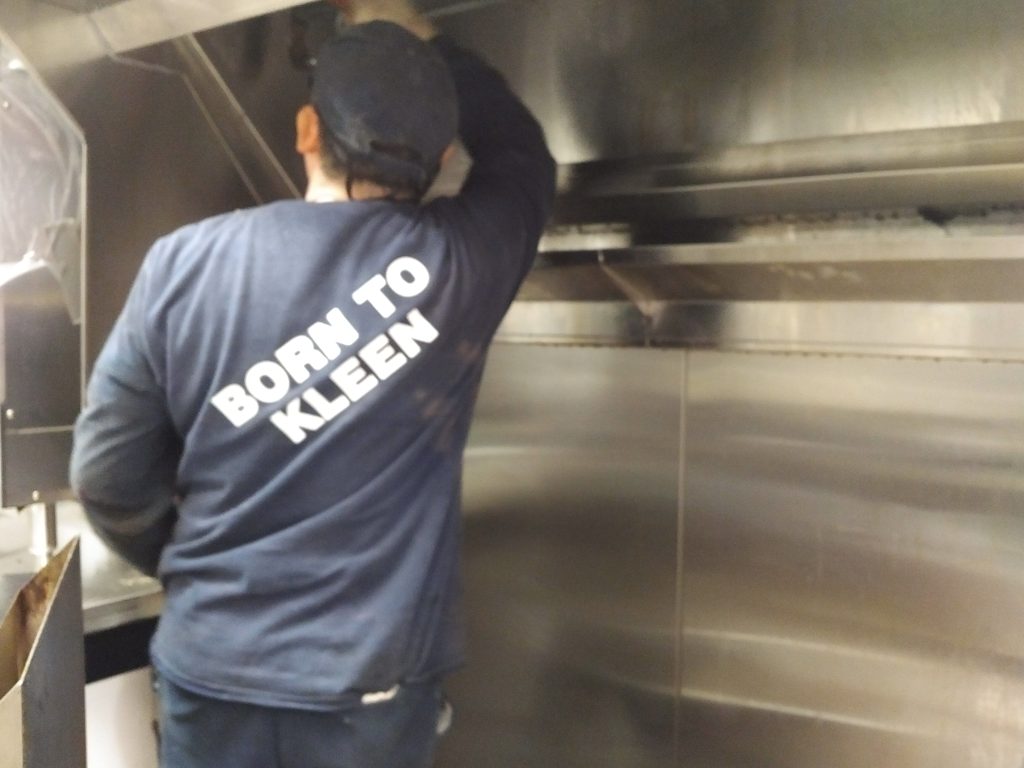
- Complete cleaning of hood, ducts, and fan
- Removal of hidden buildup
- Detailed documentation for inspections
- Ongoing maintenance scheduling
In addition to exhaust system work, services often integrate exterior degreasing, garbage bin and chute cleaning, and commercial power washing – helping operators maintain compliance across the property.
The structured process reduces operational disruption while strengthening inspection readiness.
Frequently Asked Questions
How does grease buildup in kitchen exhaust ducts increase fire risk?
Grease forms a combustible layer inside ducts. When exposed to flame or high heat, it ignites and allows fire to travel rapidly through the ventilation pathway.
What parts of a commercial kitchen exhaust system collect the most grease?
Hood interiors, duct elbows, horizontal duct sections, and rooftop exhaust fans typically accumulate the heaviest buildup.
How often should a commercial kitchen exhaust system be professionally cleaned?
Frequency depends on cooking volume and type. High-volume frying or charbroiling operations may require monthly service, while moderate-use facilities may follow quarterly or semi-annual schedules.
Is cleaning the hood filters enough to reduce risk?
No. Filters capture only part of the grease. Duct runs and fans often contain hidden buildup that requires professional service.
What are signs that a restaurant hood system needs cleaning?
Visible grease seams, smoke lingering during service, reduced airflow, vibration from rooftop fans, and missing documentation are common indicators.
Can grease in the rooftop exhaust fan cause or spread a fire?
Yes. Rooftop fans can accumulate thick grease deposits. If flames reach this area, airflow can intensify spread.
What documentation should you receive after service?
You should receive a detailed report outlining scope of work, areas cleaned, before-and-after photos if available, and service dates for inspection records.
How do I choose a reputable commercial kitchen exhaust cleaning company?
Select providers that service the full exhaust pathway, provide documentation, align cleaning frequency with cooking volume, and understand inspection requirements in Ontario and across Canada.
Protecting Your Kitchen, Staff, and Operations
Grease accumulation is gradual but predictable. When left unmanaged, it becomes a significant fire hazard that threatens safety, compliance, and business continuity. A structured maintenance schedule combined with professional service dramatically reduces exposure.
If your facility has not had a full-system inspection recently, scheduling a kitchen exhaust cleaning assessment can help identify risk areas before they escalate.
For Ontario operators and commercial facilities across Canada, proactive maintenance remains the most effective strategy for reducing fire risk and protecting long-term operations.