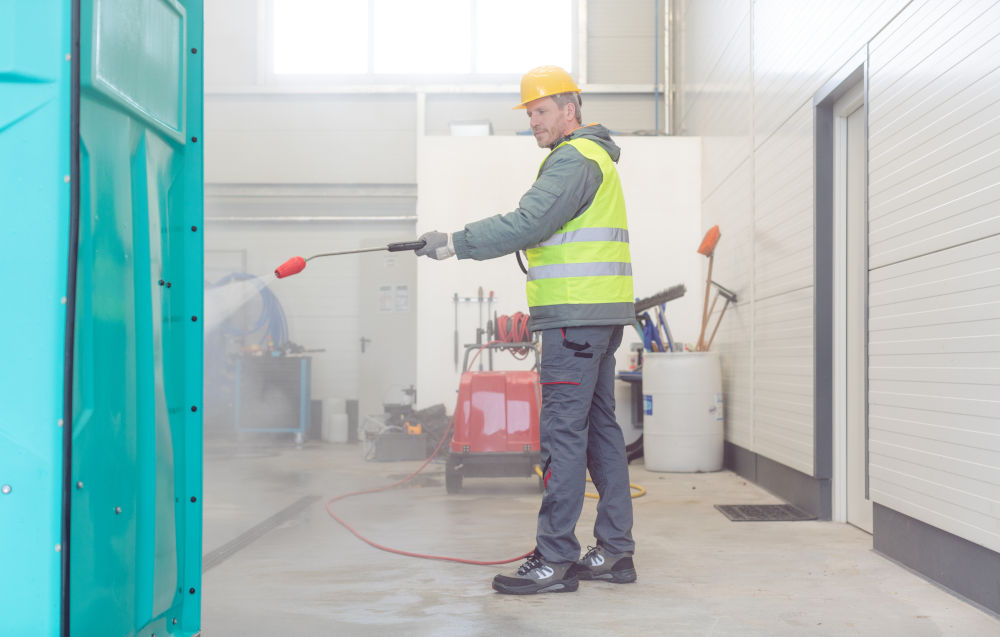
Manufacturing plants and service facilities rarely stay clean through routine housekeeping alone. Forklifts cross the same floors all day. Trucks bring road dirt into loading areas. Oil, rubber residue, dust, overspray, and production grime build up in places that ordinary mopping or light exterior washing cannot handle well.
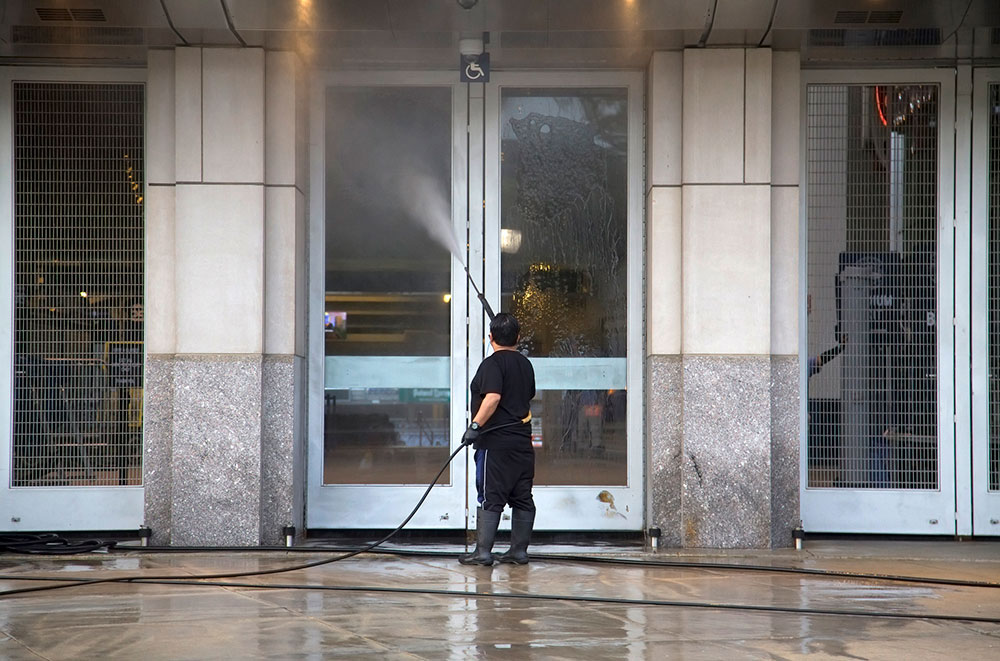
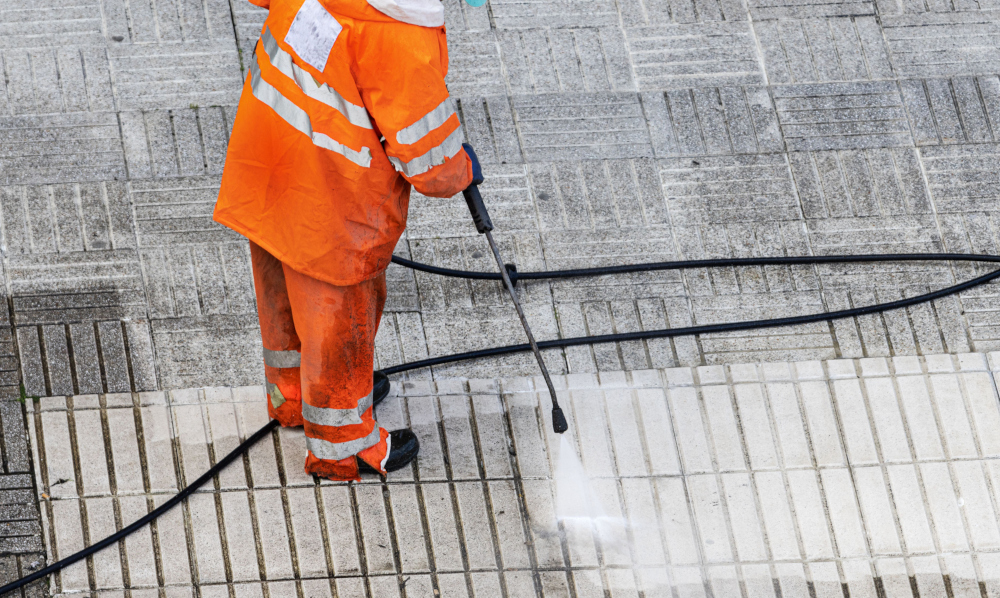
That is where industrial pressure washing becomes part of facility maintenance rather than a cosmetic service. Used in the right areas and with the right method, it helps remove stubborn buildup from floors, loading zones, exterior walls, service bays, and other high-use surfaces while keeping the site easier to inspect and maintain.
For facility managers, the goal is to stop dirt and residue from turning into a bigger operational problem, not just to make the site look cleaner.
Key Takeaways
- Industrial sites accumulate oil, grime, dust, tire marks, and production residue in places that basic cleaning may not reach effectively.
- Loading docks, service bays, exterior concrete, entrances, and high-traffic floors usually need more attention than low-use areas.
- Oil and grease can make walking and driving surfaces harder to maintain and may contribute to slippery conditions.
- Industrial power washing should be matched to the surface, contaminant, and surrounding equipment rather than applied the same way everywhere.
- Drainage, runoff, and wastewater handling need to be considered before cleaning begins.
- A regular cleaning schedule can make heavy buildup easier to manage and reduce the need for large corrective cleanups later.
Why Industrial Facilities Need More Than Basic Exterior Cleaning
A manufacturing or service facility is exposed to a different kind of dirt than an office building or retail property.
There may be fine dust from production, residue from machinery, lubricant around equipment areas, rubber transferred from vehicle traffic, and grime carried in from yards or loading docks. Outdoor surfaces add another layer: road salt, mud, exhaust residue, weather staining, and debris from constant deliveries.
Much of this buildup does not disappear with sweeping.
Some contaminants bind to concrete or textured surfaces. Others settle into corners, around bollards, near dock plates, beside equipment, or along the edges of traffic lanes. A floor can be swept every day and still develop a dark film in the areas where vehicles repeatedly turn or stop.
Professional industrial pressure washing addresses those harder deposits as part of a broader maintenance program.
It also allows cleaning to be focused where the facility actually takes the most punishment instead of treating every square metre the same way.
Where Heavy Buildup Forms in Industrial Facilities
Walk through most active industrial sites and the cleaning priorities become fairly obvious.
Loading docks
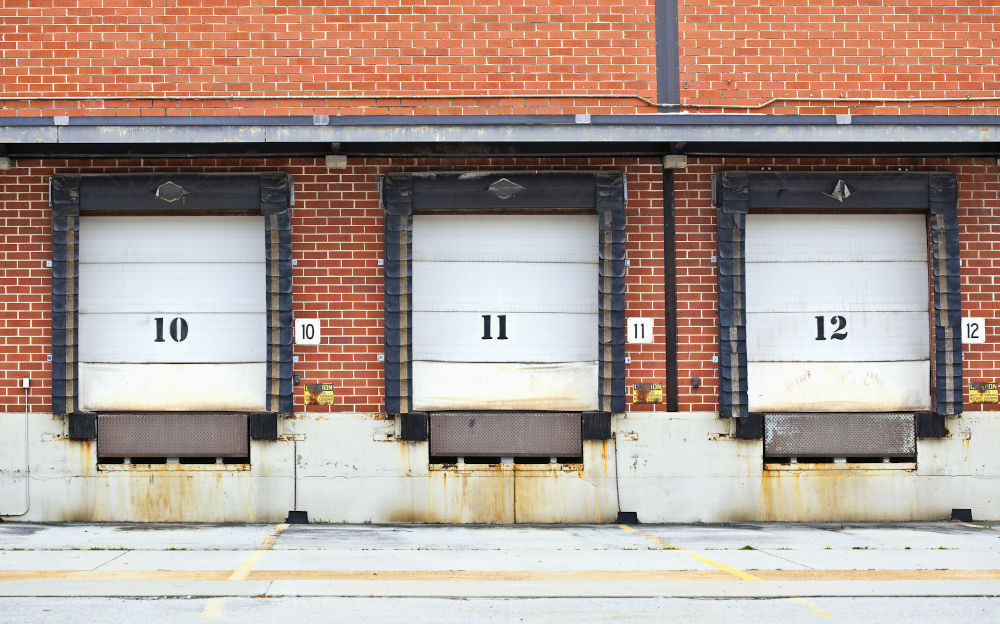
Loading docks collect a mixture of vehicle residue, dirt from pallets and trailers, grease, spilled material, rubber marks, and outdoor debris. Dock edges and the areas immediately outside overhead doors often become especially dirty because indoor and outdoor traffic meet there.
Service bays
Service and maintenance areas may accumulate oils, fluids, tire residue, and tracked-in grime. These surfaces often need more than a general rinse because the contamination is concentrated.
Warehouse entrances and traffic lanes
Forklift and vehicle routes develop marks differently from storage aisles. Turning areas, intersections, battery-charging zones, doorways, and frequently used travel paths usually show buildup first.
Exterior walls and concrete
Dust, splashback, vehicle exhaust, airborne residue, and weathering can leave industrial exteriors looking uneven or heavily stained. Concrete aprons around entrances and docks can collect the same contamination found indoors.
Equipment surrounds
Production equipment may leave overspray, dust, oil, or other residue on nearby floors and walls. Cleaning in these areas needs more control because electrical components, machinery, and sensitive materials may be close by.
Drains, low points, and catch areas
Dirt often migrates toward drains and low spots as water moves across a floor or yard. When these areas are ignored, residue simply moves from one part of the site to another rather than being properly removed.
That is why industrial power washing works best when the cleaning plan follows how the facility is actually used.
Why Oil, Grease, and Tire Marks Need Regular Attention
Oil spots and rubber marks are easy to dismiss because they are common in industrial settings.
The problem is what happens when layers continue building.
A fresh spill may be relatively contained. After weeks of forklift traffic, dust, and repeated contact, that same area can become a much darker and more stubborn patch. Grease also attracts dirt, so contaminated areas may become progressively harder to clean.
There is an operational reason to stay ahead of it.
Oil and greasy residue can contribute to slippery walking or driving surfaces. Heavy tire marks can obscure the appearance of traffic lanes or marked work areas. Residue around equipment makes routine inspection less straightforward because leaks and new contamination are harder to distinguish from old buildup.
Regular industrial pressure washing does not replace spill response or mechanical maintenance. It helps remove the accumulated background grime that can make both of those jobs more difficult.
Loading Zones and Delivery Areas Need Special Focus
Loading areas have an unusually high mix of contaminants because almost everything passes through them.
Delivery trucks idle and reverse. Forklifts move between indoors and outdoors. Pallets shed dust and debris. Rainwater carries dirt toward the building. In winter, vehicles bring salt and slush onto concrete surfaces.
The result is usually not one type of stain. It is a combination.
A practical cleaning program may need to cover:
- dock approaches
- loading pads
- concrete aprons
- overhead-door entrances
- dock plates and surrounding floors
- bollard areas
- nearby walkways
- drain approaches
- exterior service lanes
For these spaces, commercial pressure cleaning can be scheduled around delivery windows rather than forcing the area out of use during peak shipping hours.
That matters. A loading dock may technically be just one part of the property, but even a short interruption there can affect receiving, shipping, inventory movement, and vehicle access.
Exterior Walls, Floors, and Equipment Areas Need Different Methods
“Pressure washing” sounds like one method. In practice, industrial cleaning should be much more selective.
A heavily soiled concrete apron can tolerate a very different approach from painted cladding, masonry, machinery surrounds, or an interior floor beside production equipment.
The contaminant matters too.
Dust may need to be removed differently from oily residue. Grease may require degreasing before pressure cleaning. Some stubborn deposits call for another cleaning process entirely rather than simply increasing water pressure.
Pressure Kleen, for example, lists pressure washing, power scrubbing, degreasing, dry-vacuum cleaning, and soda blasting among the methods used for industrial facilities. The method is selected according to the surface and the type of buildup rather than treating every job as a high-pressure wash.
That is an important distinction for manufacturing environments, where aggressive cleaning in the wrong place can create its own problems.
Drainage and Water Flow Considerations
Industrial cleaning is not finished when dirt leaves the surface.
The water and loosened residue have to go somewhere.
Before commercial pressure cleaning begins, it is worth understanding where the site drains, where water tends to collect, and whether cleaning runoff could move toward sensitive areas.
Facility-specific questions may include:
- Where are the floor drains and catch basins?
- Are there low spots where dirty water tends to pool?
- Could runoff enter a production area or neighbouring property?
- Are oil or chemical residues present?
- Does wastewater need to be contained or recovered?
- Are there site-specific environmental procedures contractors need to follow?
This is especially relevant in manufacturing and service environments because the water may carry more than ordinary dirt.
Pressure Kleen states that its industrial cleaning work includes wastewater containment and attention to compliant chemical handling, which is particularly relevant for sites dealing with grease, industrial residue, or cleaning chemicals.
Washing a floor or yard without thinking about drainage can simply move the problem somewhere else.
How Routine Cleaning Supports Safer Daily Operations
The best time to remove heavy buildup is before it becomes normal.
When floors, dock areas, and exterior work zones are cleaned on a sensible schedule, several everyday tasks become easier.
Walkways are easier to keep clear. New leaks or spills stand out more clearly against a cleaner surface. Maintenance teams can inspect equipment surrounds without first looking through months of grime. Customer-facing or visitor-accessible areas also present better when the site does not have obvious oil staining or neglected loading zones.
There is a housekeeping benefit too.
Routine service means crews are dealing with manageable accumulation instead of waiting for a major cleanup that requires more time, stronger degreasing, or wider shutdown of an area.
For facilities that cannot simply stop operating, that difference can be significant.
Pressure Kleen states that its industrial crews work around live operations, shutdowns, and relocations and can schedule service to reduce disruption.
That flexibility matters more in an industrial plant than it does in many other properties because cleaning often has to fit around production, shipping, equipment access, and safety controls.
How Often Should Industrial Facilities Schedule Pressure Washing?
There is no useful one-size-fits-all answer.
A busy distribution facility may need its loading areas cleaned far more often than a low-traffic warehouse. A service facility dealing with vehicle fluids will have different needs from a manufacturing plant where the main issue is production dust.
Cleaning frequency should reflect factors such as:
- traffic volume
- production type
- forklift and vehicle activity
- oil or grease accumulation
- outdoor weather exposure
- seasonal salt and dirt
- inspection or maintenance needs
- previous cleaning results
Some areas may need attention monthly or quarterly, while others may only require seasonal or annual service.
It can also make sense to use different schedules within the same property. A loading dock may need regular industrial power washing, while exterior walls are cleaned far less often.
The right interval is the one that prevents buildup from becoming difficult to control without paying for unnecessary service.
How Pressure Kleen Supports Industrial and Commercial Facilities
Pressure Kleen provides industrial and commercial cleaning for manufacturing plants, warehouses, distribution facilities, service areas, and other high-use properties across Toronto, the GTA and southern Ontario, including Hamilton, Niagara, Oshawa, Barrie, London and Windsor. Its industrial services include interior plant cleaning, warehouse cleaning, production-equipment cleaning, exterior washing, degreasing, overhead cleaning, and plant shutdown or turnaround work.
For facilities where downtime matters, mobile crews can work around active operations and scheduled shutdowns. Pressure Kleen also uses its Absolute Proof documentation system to provide facility managers with a record of completed work for internal reporting, insurance, or inspection purposes.
Good industrial pressure washing comes down to choosing the right method, cleaning the right areas, managing runoff and fitting the work around the facility’s schedule.
That is what turns pressure washing from an occasional cleanup into part of planned facility maintenance.
Frequently Asked Questions
What areas are included in industrial pressure washing?
The scope depends on the property, but common areas include production floors, warehouse floors, loading docks, service bays, concrete aprons, entrances, exterior walls, equipment surrounds, traffic lanes, and other hard surfaces affected by grease, dirt, dust, or vehicle activity.
How often should manufacturing facilities schedule pressure washing?
Frequency depends on the amount and type of buildup. High-traffic loading or production areas may need monthly or quarterly service, while lower-use or exterior areas may be handled seasonally or once or twice a year. The schedule should be based on actual site conditions rather than a fixed interval for every facility.
Can pressure washing remove oil, grease, and tire marks?
It can remove many types of industrial residue, but pressure alone is not always enough. Grease and oil may require suitable degreasers or additional cleaning methods, while some stains can remain after the contaminant itself has been removed.
Is industrial power washing suitable for loading docks?
Yes, loading docks are one of the most common areas for industrial cleaning because they collect rubber residue, oil, mud, road salt, pallet debris, and vehicle grime. Service should be planned around delivery traffic and site drainage.
How can pressure washing support safer facility operations?
Removing oil, grease, dirt, and heavy residue can help keep walking and vehicle areas cleaner and make new spills or equipment leaks easier to notice. It also supports routine housekeeping and maintenance inspections. Pressure washing should complement, not replace, the facility’s normal safety and spill-management procedures.
Can service be scheduled around production hours?
Yes. Industrial cleaning is often arranged during slower production periods, off-hours, planned maintenance windows, or shutdowns so that access can be controlled and disruption kept to a minimum. Pressure Kleen offers 24/7 scheduling, including after-hours and overnight service, for active facilities.