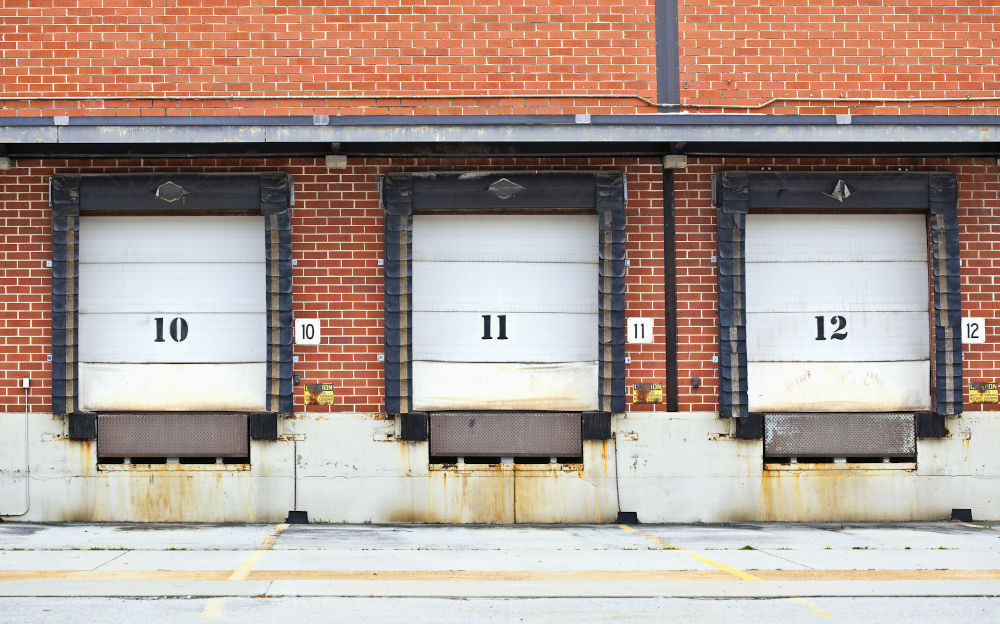
A loading dock does not usually look bad because one big spill happened.
It gets there slowly.
A truck backs in after driving through rain. Forklift tires bring warehouse dust outside, then pull wet grime back in. A pallet breaks near the bay door. Someone cuts shrink wrap and a few pieces blow into the drain grate. A small oil leak is noticed, then ignored because a delivery is waiting. By the end of the week, the concrete has tire arcs, dark patches, salt grit, cardboard dust, and a slick spot nobody wants to step on.
That is the normal life of a busy dock.
The problem is that normal dock dirt does not stay harmless for long. Once grease, oil, food residue, mud, and packaging waste get pressed into the concrete, a quick sweep does very little. A hose may move the mess around, but it rarely removes the layer that causes smell, slippery footing, pest interest, and drainage trouble.
That is where loading dock cleaning becomes part of basic property maintenance, not just cleanup before an inspection.
Key Takeaways
- Loading docks collect grease, oil, tire marks, salt, mud, food residue, and packaging debris from daily deliveries and warehouse traffic.
- A dirty dock is not just a cosmetic issue. Buildup can create slippery areas, odours, drainage problems, pest interest, and messy receiving areas.
- Sweeping removes loose debris, but it does not remove oil, grease, or residue that has been pressed into the concrete.
- Drain grates, dock levellers, ramps, bay doors, bin areas, and wall edges often collect the most buildup and should not be skipped during cleaning.
- Regular loading dock pressure washing helps improve traction, reduce odours, keep drainage areas clearer, and prevent dirt from being tracked inside.
- Cleaning frequency depends on dock use. Busy food-service, grocery, warehouse, and industrial docks may need monthly or quarterly service, while light-use docks may only need seasonal cleaning.
- Pressure Kleen can schedule loading dock cleaning around business operations, including before deliveries, after hours, weekends, or planned maintenance windows.
The dock is where outside dirt enters the building
Every business treats the front entrance as important. The loading dock often works harder.
Restaurants receive food there. Warehouses move pallets through it. Retail stores handle returns, stock, garbage, and deliveries in the same space. Industrial sites may have drums, equipment, fluids, parts, and packaging moving in and out all day.
The dock sees more abuse than most finished surfaces on the property.
Tires leave rubber and road film. Forklifts grind dust into damp concrete. Rain pushes dirt toward the lowest point. Salt dries along ramps and door thresholds. Food residue gets into seams. Oil settles near where trucks idle. Waste bins leak beside the wall. None of this looks dramatic at first.
Then the same area gets used again tomorrow.
After enough traffic, the dock stops being easy to clean by hand. Buildup collects in small places first: beside the dock leveller, under the door edge, around drain grates, along the wall, behind bins, near the corner where pallets are staged. Those are the places staff usually miss when they are rushing between deliveries.
Professional commercial pressure washing services help because the work reaches the stuck layer, not only the loose debris sitting on top.
What usually builds up on a working dock
Most dirty loading docks have several problems mixed together. That is why they are annoying to clean.
Oil behaves one way. Salt behaves another. Food residue creates a different issue. Rubber marks and compacted dirt do not lift like loose dust. If everything is treated as “dirty concrete,” the result is usually disappointing.
Here is the kind of buildup facility teams normally find:
| Area | What tends to collect there | What it can cause |
|---|---|---|
| Bay doors | Tire residue, mud, oil spots | Dirt gets tracked into receiving areas |
| Dock levellers | Splinters, grease, broken wrap | Rough footing and maintenance problems |
| Ramps | Salt, water, rubber marks | Slippery movement, especially on slopes |
| Drain grates | Labels, leaves, food bits, cardboard | Slow drainage and dirty standing water |
| Forklift lanes | Rubber arcs, dust, hydraulic fluid | Reduced traction and messy indoor floors |
| Bin areas | Leaks, sticky residue, odour | Pest activity and tenant complaints |
| Wall edges | Splash marks, grime, old spill lines | A neglected look even after the centre is cleaned |
A cleaner dock does not need to look brand new. That is not realistic for an active receiving area. It should, however, be free of the greasy layer, loose debris, old residue around drains, and dark buildup that makes the space harder to use safely.
The slippery spots are not always obvious
People expect oil to look shiny. Sometimes it does. Often it does not.
On a loading dock, oil and grease mix with concrete dust, tire rubber, salt, and water. The surface may look dull and still feel slick. A ramp may look dry but have a thin film left behind from repeated traffic. Wet cardboard can be just as bad underfoot. Salt grit can roll under shoes. Food residue may dry sticky in one spot and become slippery when damp again.
This matters because dock work is already awkward.
Drivers step down from cabs. Staff walk between trucks, pallets, carts, and forklifts. Forklift operators reverse with limited sightlines. Pallets sit where people need to pass. A small slip in that environment can become a serious incident quickly.
Dirty concrete also hides markings. Painted walkways, dock edges, caution zones, and threshold lines become harder to see under rubber and grime. Nobody wants to discover that problem during a rush delivery.
This is one practical reason businesses use industrial pressure washing for loading areas. It is not about making the concrete pretty. It is about giving people and equipment a better surface to work on.
Oil, grease, and the “we already swept it” problem
Sweeping has its place. It removes cardboard, dust, leaves, pallet chips, and loose dirt.
It does not remove oil.
Once oil or grease settles into concrete, foot traffic and tires spread it wider. A small hydraulic leak near one bay can become a dull patch across a larger part of the dock. If water is added without proper cleaning, the residue may move toward the drain, ramp, or receiving door.
That is when the dock looks clean for an hour and then dries badly.
For heavier grease or oil, the area usually needs pre-treatment before washing. The cleaner has to loosen the residue first, then the surface can be washed properly. Some stains may remain visible, especially if they have been sitting for months. The more important result is removing the slick layer that people and tires are moving across.
Old stains are cosmetic. Active residue is the problem.
Drains tell the truth
If a loading dock has drainage problems, the evidence usually sits around the grate.
Shrink wrap. Leaves. Mud. Food bits. Broken cardboard. Salt crust. Black water lines. Sometimes there is a smell before anyone sees the blockage.
The centre of a dock can be washed and still leave the real problem behind if the edges are skipped. Water runs to the low spots, and the low spots collect everything. If those areas stay dirty, the next rain or rinse pulls the same residue back across the surface.
Drainage also affects winter safety. Standing water can freeze on ramps and dock edges. Even in warmer months, standing water carries grease and food residue into places staff walk through all day.
A proper loading dock wash should pay attention to drains, corners, door thresholds, leveller edges, ramps, and bin areas. The middle of the pad is only part of the job.
Receiving areas can get dirty from the dock
This is the part many managers notice first.
The dock is outside, but the mess often ends up inside.
Pallet jacks roll from wet concrete into receiving rooms. Forklift tires move between warehouse floors and exterior dock pads. Staff shoes track dust, grease, and salt through doorways. Boxes sit on the dock before being brought into storage. If the dock smells bad, the receiving area often starts to smell too.
For food businesses, grocery stores, restaurants, and packaging operations, this matters more. Spilled liquids, food residue, leaking waste, and dirty standing water can attract flies, ants, rodents, and birds. Once pests associate the receiving area with residue, the problem is harder to control.
Clean concrete will not solve every sanitation concern, but it removes a common source of odour and attraction. It also makes new spills easier to spot. When the whole area is already stained and dirty, nobody knows what happened today and what has been there for three months.
A simple walk-through before the dock gets bad
A facility manager does not need a complicated form. Walk the dock when it is quiet and look at the places people normally ignore.
Check the ramp first. If it feels gritty, slick, or stained where wheels turn, it needs attention.
Look at the bay doors. Dark residue near the threshold usually means dirt is being tracked inside.
Look under and around the dock leveller. That area catches debris quickly.
Look at the drain. If there is wrap, cardboard, mud, or smell, cleaning is overdue.
Look near bins or staging areas. Sticky residue and odour usually begin there.
Look at pedestrian paths. If staff are stepping around certain patches, the dock is already telling you where the problem is.
Look at the wall edge. Splash marks and black lines often show how long the buildup has been sitting.
That ten-minute check is often enough to decide whether the dock needs routine cleaning or just spot attention.
How often is enough?
The honest answer depends on how the dock is used.
A quiet commercial building with occasional deliveries may only need seasonal cleaning. A restaurant plaza may need more frequent service because food, grease, and garbage move through the same back area. A grocery store or warehouse with constant receiving may need a routine schedule. Industrial sites may need cleaning tied to equipment leaks, material handling, safety reviews, or weather.
A useful starting point:
| Dock Type | Likely Cleaning Pattern |
|---|---|
| Light-use commercial building | Seasonal or as needed |
| Retail plaza | Quarterly, with extra service after spills |
| Restaurant or food-service dock | Monthly to quarterly, depending on volume |
| Grocery or high-volume receiving | Monthly or routine scheduled service |
| Warehouse with forklift traffic | Based on tire marks, dust, oil, and drainage |
| Industrial site | Based on operations, spills, residue, and inspection needs |
The wrong approach is waiting until the dock becomes black, slick, or smelly. At that stage, the cleaning is harder, staff have been working around the problem for too long, and complaints may already have started.
Where Pressure Kleen fits in
Pressure Kleen provides loading dock pressure washing for commercial and industrial properties that need the dock kept usable during real business operations.
That can include the dock pad, ramps, receiving doors, forklift paths, drain areas, exterior wall sections, bin zones, and other accessible surfaces affected by grease, oil, tire marks, dirt, salt, and debris. Oily areas may need degreasing before washing. Some older stains may remain, but the goal is to remove active buildup and improve the working surface.
Scheduling is usually part of the job. A dock cannot always be closed in the middle of receiving. Cleaning may need to happen before deliveries, after business hours, on weekends, or during a planned maintenance window.
For property managers, the benefit is practical. Staff get a cleaner surface. Drainage areas are easier to monitor. Odours are reduced. Pest pressure is easier to control. Tire marks and grease do not get months to settle into the concrete. The dock still works like a dock, just without the extra layer of grime becoming part of daily operations.
FAQs
What is included in loading dock cleaning?
Loading dock cleaning may include the concrete pad, ramps, dock leveller areas, receiving doors, drain surroundings, forklift lanes, pedestrian paths, bin areas, and nearby walls. The exact scope depends on the property and how the dock is used.
How often should loading docks be pressure washed?
Low-use docks may only need seasonal cleaning. Busy warehouses, food-service docks, grocery receiving areas, and industrial properties may need monthly or quarterly service. Grease, oil, drainage, odour, and traffic levels should guide the schedule.
Can pressure washing remove grease and oil from loading docks?
Yes, pressure washing can remove active grease and oil residue, especially when degreasing is used first. Deep stains may not fully disappear, but removing the slick layer is the main safety and maintenance goal.
Why are loading docks slippery?
Loading docks become slippery from oil, grease, hydraulic fluid, wet cardboard, standing water, salt, food residue, dust, and compacted grime. Vehicle and forklift traffic can spread those materials across the surface.
Is industrial pressure washing suitable for loading dock areas?
Yes. Industrial pressure washing is suitable for loading docks because these areas deal with vehicle traffic, heavy residue, spills, and embedded dirt. The method should match the concrete condition, drainage, business hours, and type of buildup.
Can loading dock cleaning be scheduled outside business hours?
Usually, yes. Many loading dock cleaning jobs are scheduled before deliveries, after receiving hours, on weekends, or during quieter maintenance periods so the dock is not blocked during active operations.