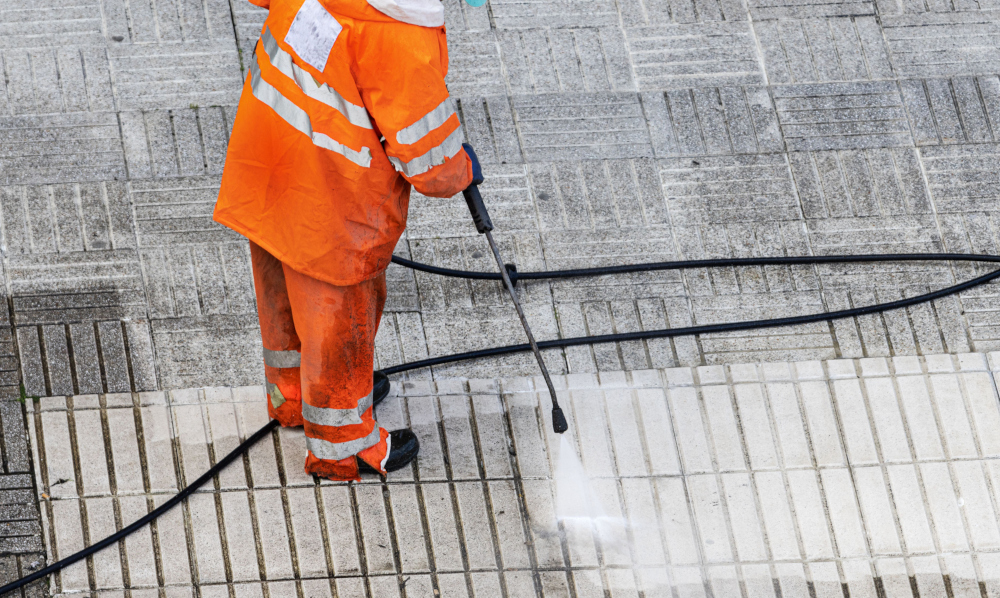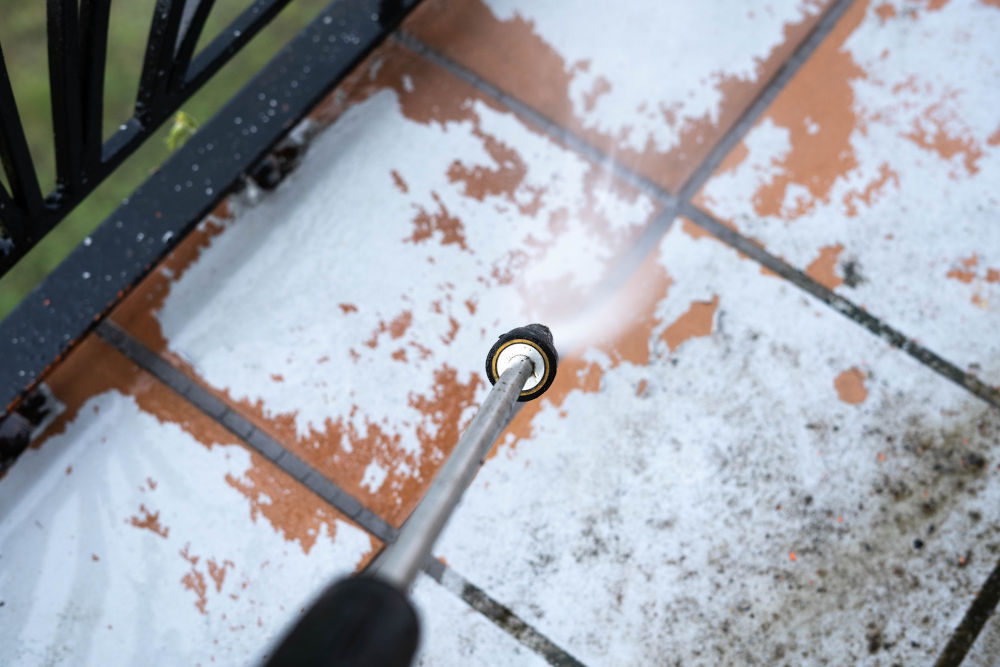
Entrances and walkways are usually the first parts of a commercial property to show wear. People track in mud, salt, dust, spilled drinks, chewing gum, grease, and general street grime every day. In busy properties, that buildup does not wait for spring cleaning. Routine commercial pressure washing services help keep storefronts, sidewalks, entrances, and shared pedestrian areas cleaner before stains become part of the property’s appearance.
Table of Contents
- Why Commercial Entrances Get Dirty So Quickly
- Key Points for Property Managers
- What Collects on Walkways and Storefront Entrances
- Why First Impressions Start Before the Front Door
- Slip-Prone Residue Around Entrances and Walkways
- Gum, Grease, Spills, and Salt: The Stains That Get Worse With Time
- Where Pressure Washing Usually Makes the Biggest Difference
- Why Scheduled Cleaning Works Better Than Occasional Cleanup
- How PressureKleen Helps Maintain Commercial Entrances and Walkways
- FAQs
Why Commercial Entrances Get Dirty So Quickly
A commercial entrance has a hard job. It takes the full load of daily traffic before anyone even steps inside the building.
Customers walk through with wet shoes. Staff bring in dust from parking areas. Delivery drivers roll carts across the same route every day. In winter, salt and slush sit near the doorway. In summer, drink spills, food residue, gum, and grease become more visible. If there is a restaurant, café, clinic, retail unit, gym, or busy plaza on site, the surface can start looking tired very quickly.
This is why commercial pressure cleaning should not be treated as a rare cosmetic job. For many properties, it is part of ordinary exterior maintenance. The entrance, sidewalk, curb approach, storefront path, and shared walkway all affect how the property feels to customers and tenants.
A clean interior helps, of course. But if the walkway outside is covered in gum marks, salt stains, grease patches, or dark traffic lines, the building already feels neglected before anyone reaches the door.
Key Points for Property Managers
| Property concern | Why it matters |
|---|---|
| Heavy foot traffic | Dirt and residue build up faster around entrances than in low-use areas |
| Gum and spills | These are easier to deal with before they harden, darken, or spread |
| Salt residue | Winter salt can leave gritty white marks around doorways and sidewalks |
| Grease near food businesses | Restaurant and takeout areas often need more regular cleaning |
| Customer impression | The outside walkway influences how people judge the business inside |
| Slip-prone buildup | Grease, algae, spills, and grime can make walking areas less safe |
| Tenant satisfaction | Shared exterior areas reflect on every business in the property |
What Collects on Walkways and Storefront Entrances
Commercial walkways collect a mix of everyday contaminants. Some are obvious, while others build up slowly until the whole entrance looks dull.
Typical buildup includes:
- dirt from shoes and parking areas
- mud near curbs and landscaped sections
- chewing gum
- coffee and soft drink spills
- grease near restaurants or food pickup areas
- salt and de-icing residue
- bird droppings
- cigarette marks near entrance points
- food stains from patios and outdoor seating
- algae or organic film in shaded areas
- runoff from planters
- tire marks near loading or pickup zones
- general urban grime
One small stain may not matter. The problem is accumulation. A few gum marks become twenty. A small grease patch spreads. Salt residue gets walked into the entrance over and over. The walkway slowly starts to look older than it is.
For property managers, the main issue is timing. If stains are left too long, they become harder to remove cleanly. Routine commercial pressure washing services help stop that buildup from taking hold.
Why First Impressions Start Before the Front Door
People notice exterior surfaces more than many businesses realise. They may not stop and think, “This sidewalk needs cleaning,” but they do register the condition of the space.
A clean walkway suggests the property is looked after. A stained entrance does the opposite.
This matters for:
- retail plazas
- restaurants
- medical buildings
- dental clinics
- office entrances
- banks
- gyms
- childcare centres
- schools
- multi-tenant commercial buildings
- storefront businesses
For customer-facing properties, presentation is not only about signs, windows, and landscaping. The concrete underfoot is part of the same impression.
A restaurant with a greasy entrance can look less hygienic. A medical building with stained walkways can feel poorly maintained. A retail plaza with old gum marks and dirty curb edges may appear less inviting, even when the tenants inside are doing everything right.
Commercial pressure cleaning helps keep that first impression under control. It does not need to make old concrete look new. The goal is simpler: keep high-use areas clean enough that dirt does not become the first thing people notice.
Slip-Prone Residue Around Entrances and Walkways
Pressure washing is not a replacement for proper safety management. It does not fix broken concrete, poor drainage, ice, uneven surfaces, or missing mats. Still, it can help remove residue that makes exterior walking areas more difficult to manage.
Some surfaces become slick because of what sits on top of them: grease, algae, spilled drinks, mud, salt slurry, or built-up dirt. This is especially common around restaurant entrances, shaded walkways, garbage routes, curb ramps, and areas where water sits after rain.
Areas that often deserve closer attention include:
- front door approaches
- sidewalk sections near parking lots
- curb ramps
- sloped walkways
- restaurant and takeout entrances
- outdoor seating paths
- garbage enclosure routes
- delivery access points
- shaded or damp walkways
- areas near planters or irrigation runoff
Clean surfaces are also easier to inspect. Once the dirt is removed, property staff can see cracks, pooling water, oil spots, loose edges, or other maintenance issues more clearly.
That is one practical reason many property managers include pressure washing in their routine exterior care schedule.
Gum, Grease, Spills, and Salt: The Stains That Get Worse With Time
Not all dirt behaves the same way.
Loose dust may rinse away easily. Gum, grease, salt, and old spills are different. They tend to settle into the surface, attract more dirt, and become more visible as people walk over them.
Chewing gum is one of the most common problems around storefronts. When it is fresh, it is unpleasant. When it is left for weeks or months, it flattens, darkens, and starts to look like part of the pavement.
Grease is another issue, especially around restaurants, food courts, patios, takeout windows, and garbage areas. Even small amounts can spread through foot traffic. Once grease collects dirt, it often becomes a dark patch that stands out from the rest of the walkway.
Salt creates a different kind of mess. During winter and early spring, salt and de-icing products can leave gritty white residue around entrances, ramps, and sidewalks. It is tracked indoors as well, adding more work for cleaning staff.
Routine building power washing helps reduce these problems before they become more stubborn. For high-traffic properties, this is usually easier than waiting until every entrance needs a heavy restoration-style clean.
Where Pressure Washing Usually Makes the Biggest Difference
Some areas deliver more value than others because they are more visible, more heavily used, or more likely to collect residue.
| Area | Why it matters |
|---|---|
| Main entrances | The most visible customer-facing part of the property |
| Storefront sidewalks | Affects every tenant’s presentation |
| Curb approaches | Collects mud, salt, tire residue, and foot traffic dirt |
| Restaurant entrances | More likely to collect grease, spills, and gum |
| Outdoor seating areas | Food and drink residue builds up quickly |
| Garbage enclosure approaches | Grease, leaks, odours, and staining are common |
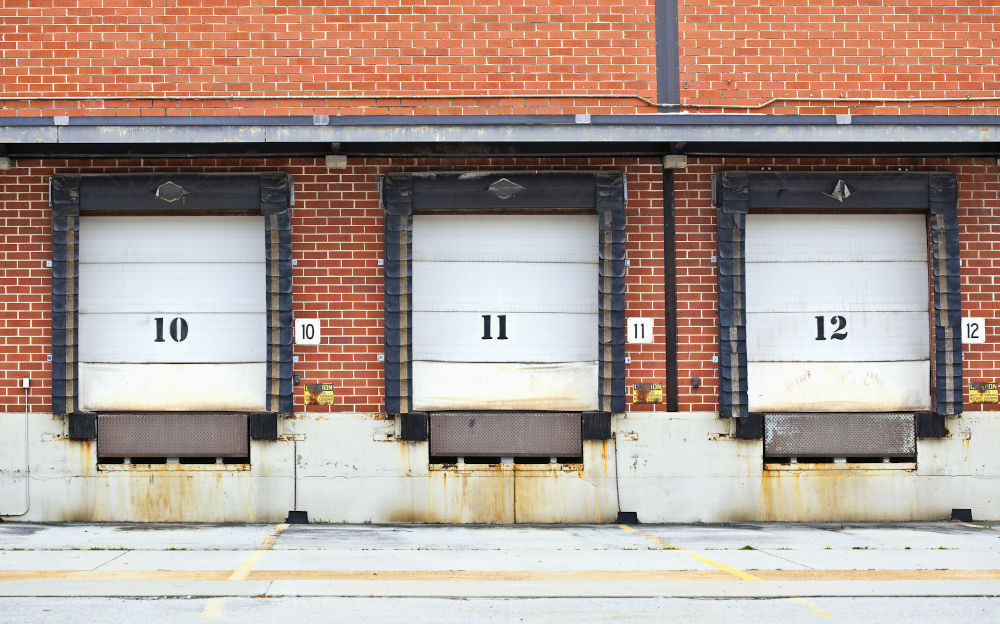
| Delivery paths | Carts, staff, and suppliers use these routes daily |
| Shaded walkways | More likely to develop algae or organic film |
| Pedestrian routes from parking areas | Dirt is tracked from vehicles into the building |
| Building thresholds | Grime collects where exterior and interior traffic meet |
A small office building may not need the same schedule as a busy retail plaza. A plaza with restaurants will usually need more frequent cleaning than a property with light office traffic. A medical building may prioritise entrance presentation more heavily because cleanliness is closely tied to trust.
The right schedule depends on use, not guesswork.
Why Scheduled Cleaning Works Better Than Occasional Cleanup
Many properties wait until the entrance looks obviously dirty before calling for cleaning. That is understandable, but it is not always the most efficient approach.
By the time dirt is clearly visible, it has usually been building for a while. Gum has hardened. Salt has spread. Grease has collected dust. Spills have left darker marks. Cleaning is still possible, but it may take more effort and may not produce the same result as regular maintenance.
Scheduled cleaning is more predictable.
It helps property managers:
- keep entrances presentable throughout busy months
- remove gum before it becomes heavily embedded
- deal with salt residue after winter weather
- reduce grease around foodservice areas
- plan cleaning around tenant hours
- avoid last-minute cleanup before inspections or visits
- keep shared walkways from becoming a tenant complaint
- maintain a more consistent exterior standard
Reactive cleaning still has its place. A major spill, event, construction period, tenant turnover, or seasonal cleanup may require extra work. But for active commercial properties, waiting too long usually makes the job harder.
Routine commercial pressure washing services keep the property from sliding into that “we should have done this earlier” stage.
How PressureKleen Helps Maintain Commercial Entrances and Walkways
PressureKleen supports commercial properties that need practical, regular exterior cleaning for high-use areas. The work is focused on removing visible dirt, gum, grease, stains, and surface buildup where possible, while helping entrances and walkways stay cleaner through active operating months.
For property managers, the useful part is not only the cleaning itself. It is the planning. A good pressure washing schedule should match the property, the traffic level, the tenant mix, and the seasons.
A restaurant-heavy plaza has different needs than a quiet office building. A storefront with constant pedestrian traffic has different needs than a warehouse entrance. A medical or professional building may need extra attention around front doors, ramps, and main paths because visitors expect the exterior to feel clean and organised.
PressureKleen can help maintain:
- storefront walkways
- main entrances
- commercial sidewalks
- curb approaches
- restaurant exterior areas
- shared pedestrian paths
- patio edges
- garbage enclosure approaches
- loading and delivery routes
- other high-traffic exterior surfaces
The aim is simple: keep the areas people use every day from becoming stained, sticky, slippery, or poorly presented. For commercial properties, that kind of upkeep supports customer confidence, tenant satisfaction, and a cleaner overall site appearance.
FAQs
Should commercial entrances and walkways need routine pressure washing?
Yes. High-traffic commercial entrances and walkways collect dirt, salt, gum, grease, spills, and weather-related residue from daily use. Routine cleaning helps keep these areas more presentable and easier to maintain.
What does commercial pressure washing remove from walkways?
Commercial pressure washing can help remove surface dirt, mud, gum residue, food and drink spills, salt staining, grease marks, organic buildup, and general grime. The final result depends on the surface, the age of the stain, and how deeply the material has settled.
Can pressure washing help reduce slip risks?
It can help remove residue that may contribute to slippery conditions, such as grease, algae film, spills, and loose dirt. It should still be paired with proper drainage, winter maintenance, surface repair, mats, and regular safety checks.
How often should high-traffic walkways be pressure washed?
The best schedule depends on foot traffic, weather, tenant type, surface condition, and whether restaurants or foodservice businesses are on site. Busy plazas and storefronts usually need more frequent service than low-traffic office properties.
Is building power washing useful for storefront presentation?
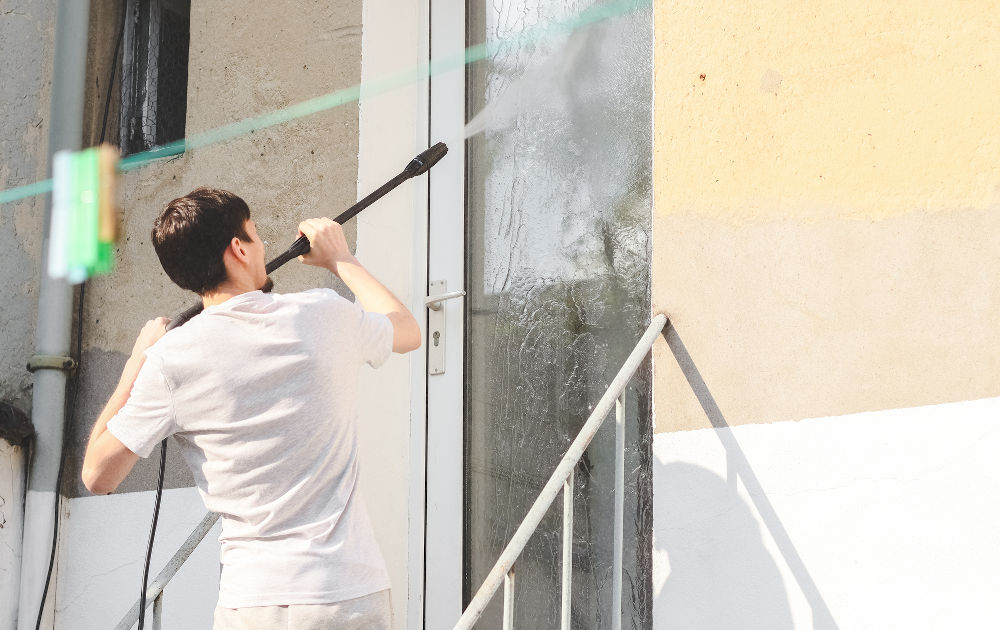
Yes. Building power washing can improve the appearance of entrances, sidewalks, exterior walls, and other customer-facing areas. It helps the property look more cared for and supports a better first impression.
Can pressure washing remove old gum from commercial sidewalks?
In many cases, yes. Gum can often be removed or greatly reduced with the right cleaning method. Older gum may take more effort because it becomes flattened, dark, and more attached to the surface over time.
Why do restaurant entrances need more frequent cleaning?
Restaurant entrances often collect grease, food residue, drink spills, gum, and heavier foot traffic. These materials attract dirt and can make the exterior look neglected faster than other parts of the property.
What areas should be included in a commercial pressure washing schedule?
Main entrances, storefront sidewalks, curb ramps, pedestrian routes, restaurant exterior areas, patios, garbage enclosure approaches, shaded walkways, loading paths, and high-use routes from parking areas should all be considered.
Why is routine cleaning better than waiting until the walkway looks dirty?
Routine cleaning removes buildup earlier, keeps entrances more consistent, and makes exterior maintenance easier to plan. Waiting too long allows gum, grease, salt, and stains to become harder to remove.