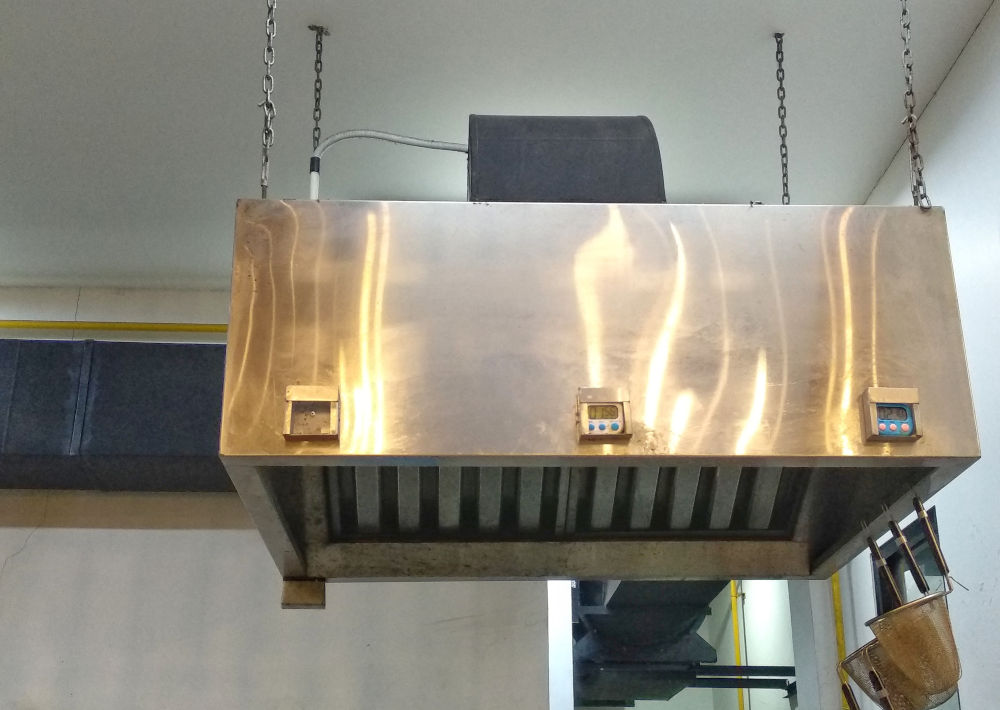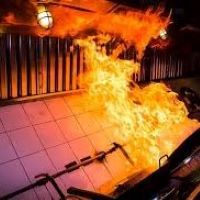
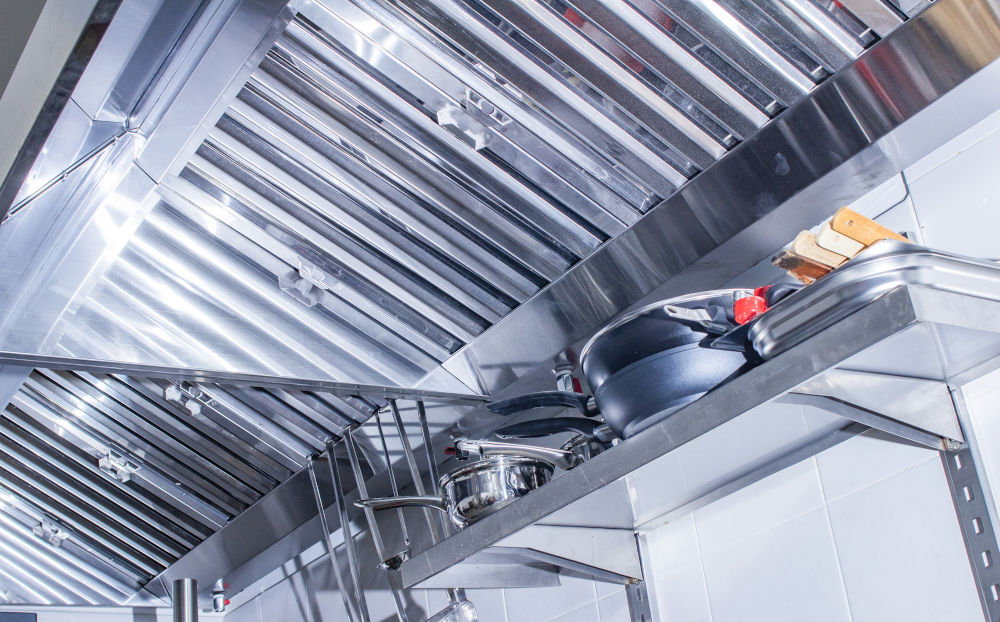
A commercial kitchen exhaust system can look clean and still carry a real fire and compliance risk. In many cases, what gets cleaned is only what’s visible — the hood interior and accessible filters — while grease remains in duct runs, joints, and rooftop components. That hidden buildup doesn’t just sit there; it continues to migrate, reappear, and increase the likelihood of failed inspections or fire hazards.
If your system has been serviced but grease returns quickly, airflow feels inconsistent, or documentation is vague, there’s a good chance the cleaning was partial. Below are the signs operators should look for — and what a properly cleaned system actually involves.
Key Takeaways
- A clean-looking hood does not confirm that ducts and fans were properly cleaned
- Grease often remains in seams, duct joints, and vertical runs even after service
- Residue at access panels or drip marks indicate incomplete cleaning
- Rooftop fans and discharge areas are commonly skipped
- Strong grease odours after cleaning suggest remaining buildup in hidden sections
- Lack of before/after photos or service details is a major red flag
- Partial cleaning can lead to inspection issues and insurance concerns
What “Fully Cleaned” Should Include in a Commercial Exhaust System
| System Area | What Proper Cleaning Involves | What Often Gets Missed |
|---|---|---|
| Hood Interior | Removal of grease from all interior surfaces, not just visible panels | Surface wipe-down without addressing seams and edges |
| Filters / Baffles | Full degreasing and correct reinstallation | Filters cleaned but surrounding housing ignored |
| Duct Runs | Cleaning through entire length, including vertical sections | Only accessible horizontal sections addressed |
| Duct Joints & Elbows | Breakdown of grease accumulation at directional changes | High-grease areas left untouched |
| Access Panels | Opened and cleaned internally | Panels remain closed or undocumented |
| Rooftop Fan Blades & Housing | Full cleaning of fan components and containment area | Fan exterior cleaned, interior ignored |
| Fan Hinge Kit & Curb Area | Cleaning beneath and around fan base | Grease buildup left under fan assembly |
| Documentation | Before/after photos and service report | No proof of work beyond invoice |
Visible Warning Signs Your System Was Only Partially Cleaned
After a service, certain signs suggest the job wasn’t completed properly:
- Sticky residue still present along hood seams or behind baffles
- Grease drip marks visible near duct joints or rooftop areas
- Uneven cleaning patterns — some surfaces spotless, others untouched
- Strong burnt-grease smell returning shortly after service
- Smoke lingering longer than usual or airflow feeling reduced
These aren’t minor issues. They indicate that grease remains in areas that were not accessed or properly cleaned.
The Hidden Areas Most Often Missed
A commercial kitchen exhaust system is not just the hood. It’s a full pathway — and the risk often sits in the parts no one sees.
Duct Elbows and Offsets
Grease accumulates fastest where airflow changes direction. These areas require direct access and are often skipped if access panels aren’t used.
Vertical Duct Runs
Long vertical sections are difficult to reach and frequently under-serviced. Grease buildup here continues to move downward over time.
Access-Limited Sections
If parts of the system are difficult to open, they’re often left untouched. This includes tight duct sections or poorly designed access points.
Rooftop Fans
Fan blades, housings, and discharge areas collect grease continuously. Cleaning only the visible exterior does not address internal buildup.
Why This Matters
During inspections, these areas still count. Grease in hidden sections can trigger compliance issues even if the visible hood appears clean.
How Grease Migration Reveals Incomplete Cleaning
One of the clearest signs of partial cleaning is how quickly grease “comes back.”
What’s actually happening:
- Grease left in ducts or joints begins to soften and move again
- Airflow carries residue back toward the hood and visible areas
- Heat accelerates the redistribution of leftover buildup
This is why a system can appear clean immediately after service — but show signs of grease again within days or weeks.
It’s not new buildup. It’s old grease that was never fully removed.
Documentation Gaps and Compliance Red Flags to Watch For
A proper commercial hood cleaning service should leave behind more than a clean surface.
Operators should receive:
- Clear scope of work (which areas were cleaned)
- Before and after photos
- Notes on system condition and access points
- Service date and technician details
- Recommended next cleaning interval
Red flags include:
- No photos or incomplete documentation
- Vague invoices without system details
- No mention of ducts or rooftop components
- No frequency guidance based on cooking volume
In compliance situations or insurance reviews, documentation is often as important as the cleaning itself.
How Pressure Kleen Helps Verify Full-System Cleaning for Restaurants
Pressure Kleen approaches commercial hood cleaning as a full-system process rather than a surface-level task.
The process typically includes:
- Assessing the entire exhaust system layout before cleaning
- Identifying access points and areas that require opening
- Cleaning hood, ducts, and fan components as a connected system
- Documenting all work with photos and service notes
- Highlighting any inaccessible or high-risk sections
- Recommending a cleaning schedule based on actual kitchen use
This approach is built around risk reduction — not just appearance — which is critical for restaurants operating under inspection and fire safety requirements.
FAQs
How can I tell if a commercial exhaust system was only partially cleaned?
If grease returns quickly, odours persist, or documentation is missing, the system was likely not fully cleaned. Visible shine alone is not a reliable indicator.
What areas are commonly missed during restaurant hood cleaning?
Duct elbows, vertical runs, access-limited sections, and rooftop fans are the most frequently overlooked areas.
Is a shiny hood enough to prove the system was cleaned?
No. A clean hood surface does not reflect the condition of ducts or internal fan components where most grease accumulates.
Why does grease reappear quickly after cleaning?
Residual grease left in hidden sections begins to migrate again once the system is back in use.
Should the rooftop fan be included in commercial hood cleaning?
Yes. The fan and surrounding areas are critical parts of the system and must be cleaned to reduce fire risk.
What documentation should I receive after a kitchen exhaust cleaning service?
You should receive before/after photos, a clear service report, scope of work, and recommended next cleaning interval.
Can incomplete exhaust cleaning lead to failed inspections or insurance issues?
Yes. Incomplete cleaning can result in compliance failures and may affect insurance coverage if proper maintenance cannot be documented.
How often should a restaurant schedule full exhaust cleaning?
Frequency depends on cooking volume, but it should be based on actual use — not a generic schedule.