Most of the preparation for an overnight kitchen exhaust cleaning falls to the restaurant’s closing shift. The usual hold-ups are hot equipment, a roof key that went home with the day manager, and building security that wasn’t told to expect a contractor at midnight. Each one delays the start of the work, and some can stop part of it.
Key takeaways
- Tell the crew before the night who will let them in, which entrance to use and how to reach the roof.
- Turn off the cooking line early enough for it to cool before the crew arrives.
- Clear food, utensils and small appliances from under the hoods, and leave the filters in place.
- Before cooking the next morning, check the filters and the fan, and read the report for sections that weren’t cleaned.
What the crew needs to know before the night
When you were quoted, Pressure Kleen asked about the size of the system and what affects the price. The crew also needs the practical details of the night itself, before the cleaning date:
- Who lets the crew in: a name and a phone number that will be answered during the visit.
- Where to go: the service or loading entrance, where to park, and whether security needs the crew’s names in advance.
- Keys and codes: roof keys, alarm codes and any building access cards.
- Equipment problems: anything that isn’t working properly, such as a loose hood panel or a noisy fan, so the technician knows before starting.
- Changes since the quote: new equipment under the hoods, a renovation, or new building rules about overnight work.
The last hour of service
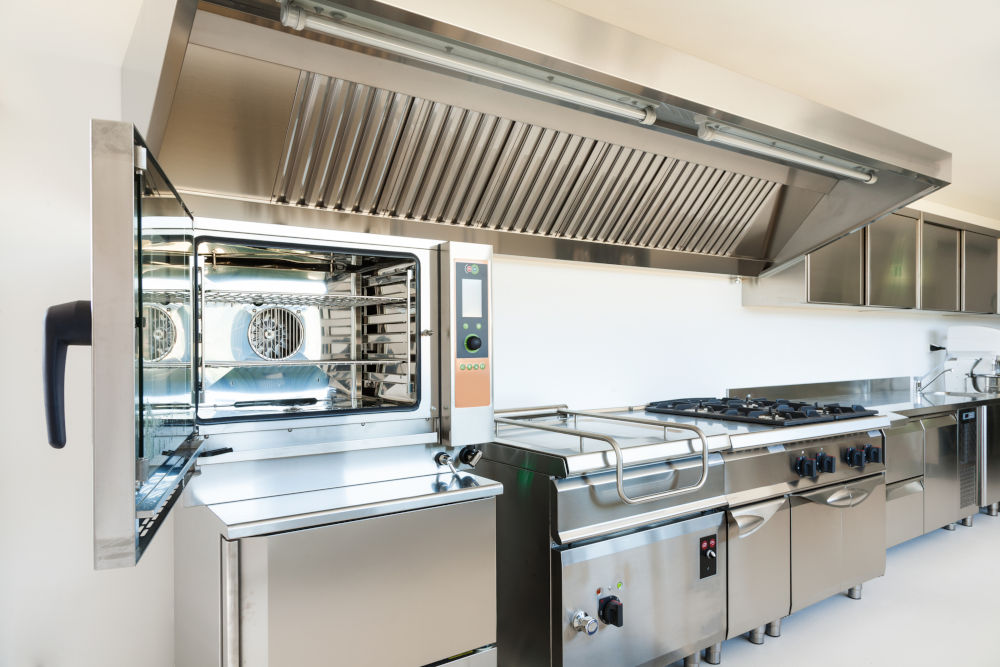
Plan the last use of the fryers, griddles and charbroilers so the line has time to cool before the crew arrives. A charbroiler that ran all evening stays hot for a while after it’s turned off, and a full fryer stays hot longer. Agree on the shutdown time when you book, and ask how long the crew needs your equipment to cool.
If the crew asks for the fryers to be drained, follow your usual oil-handling procedure once the oil has cooled. Gas, pilot and electrical shutdowns stay with whoever normally handles them on your site.
Before leaving, the closing manager confirms that the line is off and that nobody plans to cook on it again that night.
Clear the line and prep areas
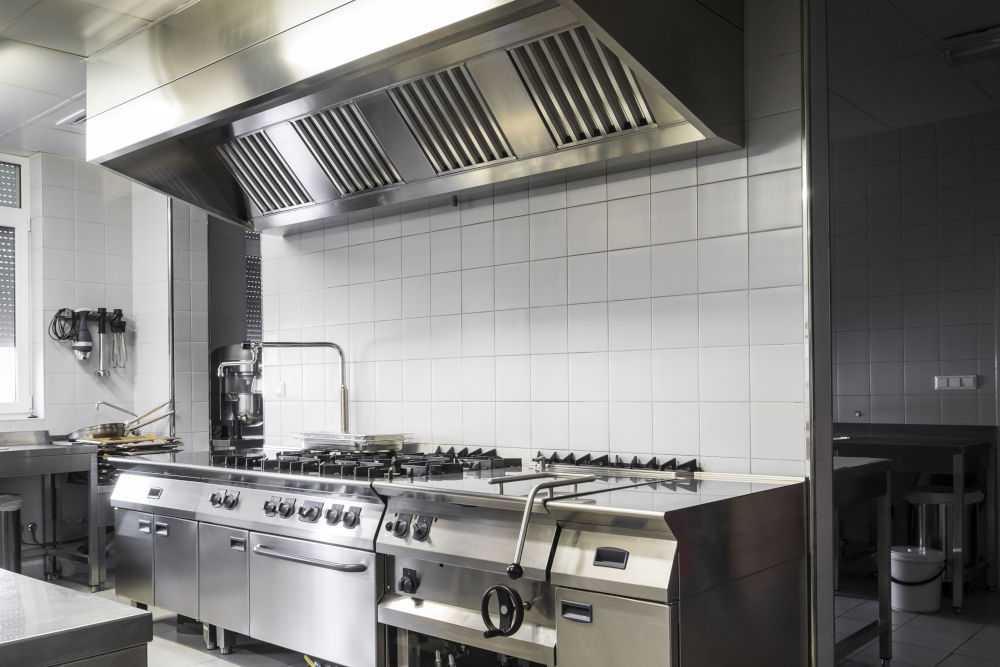
The crew needs room around the hoods, and food and clean equipment need to be out of reach of water and degreaser. Staff don’t need to take anything apart: leave the hood filters and other parts in place unless the crew has asked you to remove them.
Before the closing team leaves:
- Put away food, ingredients and anything that touches food.
- Move pans, utensils, spice shelves and countertop appliances away from the cooking line.
- Clear shelves and counters under the hoods.
- Clear stock boxes and carts from the path between the service entrance and the kitchen, so the crew has room for hoses and equipment.
- Tell the crew about anything heavy or fixed that can’t be moved.
The crew covers equipment and nearby surfaces before cleaning starts.
Roof, ceiling and building access
A crew that cleans the hood and then finds the roof hatch locked can’t clean the fan, which collects grease like the rest of the system. Check the route to the roof before the night: a fixed ladder, a hatch, or a door that needs a building key.
In a mall or an office tower, roof access may run through security, a concierge or a property manager who doesn’t work nights, so arrange it with them ahead of the visit.
Some duct access panels sit above ceiling tiles or behind doors outside the kitchen. If your exhaust shares ducts or fans with other tenants, the crew may also need to work outside your leased space, which building management has to approve in advance.
Fire suppression and alarms
Exhaust cleaning doesn’t include servicing the fire-suppression system. The crew works around the nozzles inside the hood; inspection and maintenance are booked separately with your suppression contractor.
Some buildings require notice before overnight maintenance because of alarm monitoring. Ask your property contact what’s needed, and don’t have kitchen staff disable alarms or suppression equipment.
Keep the suppression service records with your exhaust cleaning reports, since a fire inspection looks at both.
The morning check before cooking
Before the line goes on, the opening manager should check that:
- the filters are back in place and seated properly
- the crew’s materials and coverings are gone and the work area is clean
- nothing looks out of place under the hood
- the exhaust fan runs and sounds the way it normally does
If something seems off, call Pressure Kleen before starting the line.
Before you sign off on the report
Read the service report before it goes into the maintenance folder, starting with anything the crew couldn’t reach. A duct section left uncleaned for lack of access is still an open issue, even if the rest of the system was done. Arrange the access and book a follow-up for that section.
Check that any service label or certificate matches the work completed and notes these limitations. With Pressure Kleen’s Absolute Proof documentation, the report comes with before-and-after photos, work orders and deficiency records. A report with no photos and no list of the areas cleaned is one of the signs a system isn’t being fully cleaned.
Frequently asked questions
Does someone from the restaurant need to stay overnight?
Not necessarily. The crew needs someone to let them in and a phone number that will be answered during the visit. Whether a staff member stays on site depends on your building’s rules or your own policy, so agree on it when you book.
Can we book the cleaning on a day we’re closed instead of overnight?
Yes. Pressure Kleen books after-hours visits, and a closed day works the same way as an overnight slot. It also gives the equipment more time to cool.
Should staff clean the hood filters between professional cleanings?
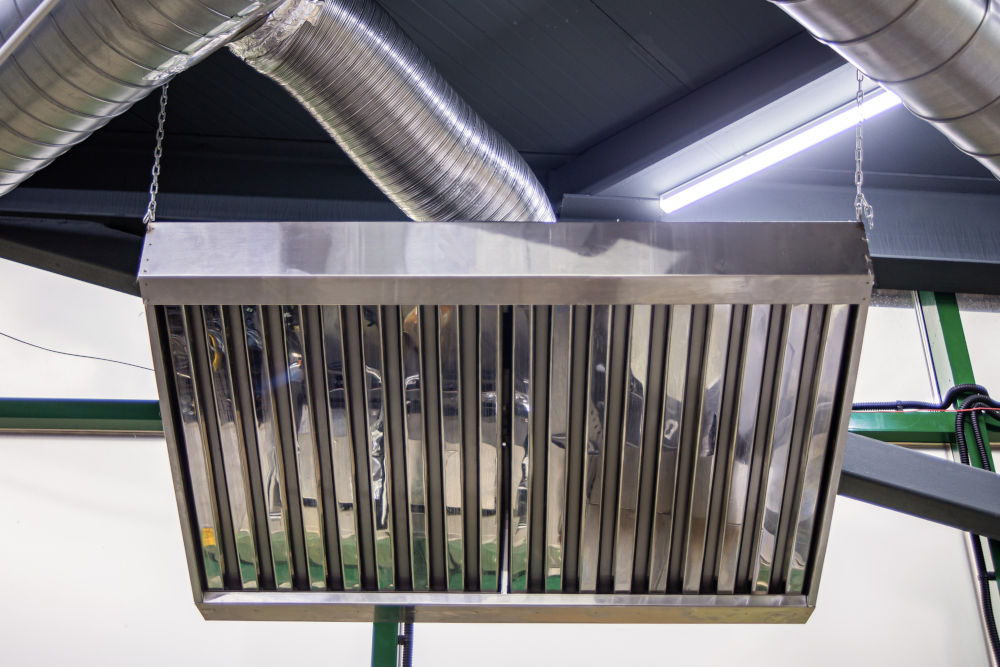
Yes. Filters catch grease every shift, and a professional cleaning a few times a year doesn’t replace routine filter care in between. A line with fryers and a charbroiler loads its filters much faster than a light-duty kitchen, so set the schedule by what you cook. Rinsing them in the sink tends to leave grease in the baffles, which is why hood filters need more than a quick rinse.
Is the rooftop grease containment part of the cleaning?
On a full hood-to-rooftop cleaning, yes. Pressure Kleen’s service covers the grease containment around the rooftop fan along with the hood, ducts and fan. Containment that is saturated or damaged is noted in the report, because grease that escapes it can damage the roof.
Do we need to clean anything after the crew leaves?
Sanitize the food-contact surfaces near the hoods before prep starts, as you would at any opening. The crew covers and wipes down the work area, but your normal food-safety routine still applies.
What happens if the crew finds damage or a fault in the system?
It goes into the service report as a deficiency, with photos and recommended corrective work. Pass that part of the report to whoever arranges repairs on your site.
Need your exhaust system cleaned from hood to rooftop fan? Pressure Kleen provides commercial kitchen hood and exhaust system cleaning across Ontario, with a service report and before-and-after photos for your records. Contact Pressure Kleen to book an overnight cleaning.